Smart Reviews for Smarter Buys

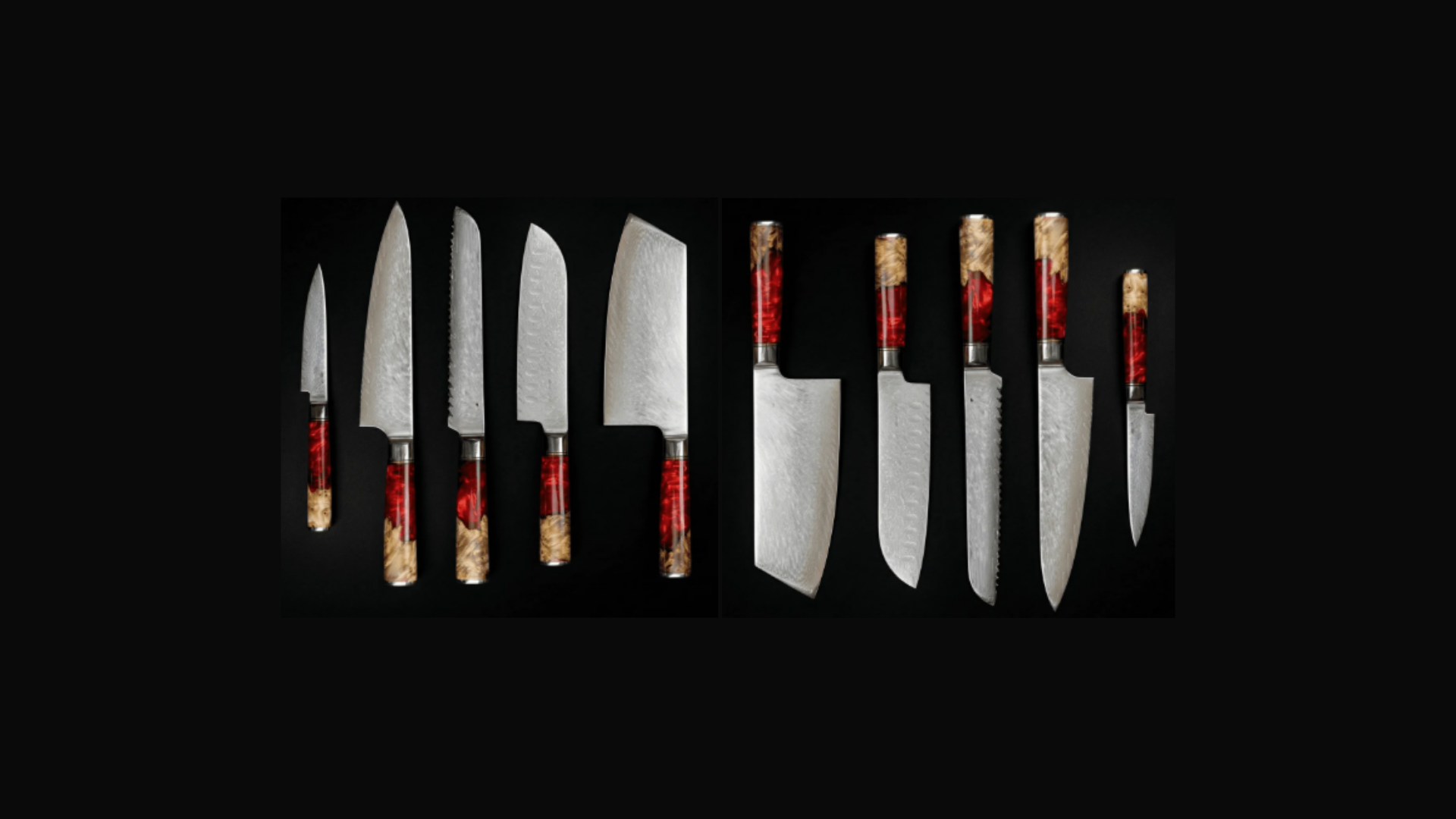
Anyone who spends time in the kitchen knows the difference a sharp, well-balanced knife makes. Dull blades crush tomatoes instead of slicing them cleanly. They tear through herbs and make every chop feel like extra work. A quality knife turns cooking from a chore into something smoother and more satisfying. It gives you control, reduces fatigue, and helps food look and taste better because the cuts are precise. Seido Knives focuses on that exact experience. The brand creates Japanese-inspired chef knives and sets that deliver professional-level sharpness and balance at prices that feel reachable for home cooks who simply want better tools.
The Everyday Frustration Most Home Cooks Share
Many people settle for the knives that came with a basic block or the ones bought on sale years ago. Those blades start out okay but lose their edge quickly. Suddenly chopping onions becomes uneven work, and slicing cooked meat feels awkward. The handle might not fit the hand well, and the weight feels off. Over time that small frustration builds up. Cooking takes longer than it should, and the joy of preparing a meal gets diluted by the tools themselves. Seido Knives set out to fix that common problem with knives designed for real daily use.
How Seido Knives Started in a Family Kitchen
Costantino “Tino” Delnero founded Seido Knives in Canada after growing up in an Italian-Canadian home where the kitchen was the center of everything. Meals brought people together, and his nonna’s cooking demanded tools that could keep up with careful, precise work. Tino found that good knives were either too expensive or not sharp enough for the standards he wanted. Drawing on his background in technology and entrepreneurship, he built a direct-to-consumer brand that removes extra markups. The result is knives that blend Japanese metallurgy traditions with practical modern production so more people can own reliable, sharp tools.
Japanese Craftsmanship Made More Accessible
Seido Knives takes clear inspiration from Japanese knife making. The name itself relates to accuracy and precision. Blades are forged with attention to edge geometry, often around a 15-degree angle that feels noticeably sharper than many Western-style knives. High-carbon stainless steel appears across the range, chosen for a balance of hardness, edge retention, and resistance to corrosion. Some series feature Damascus construction with multiple layers of steel such as VG-10 and AUS-10. Those layers create both strength and the distinctive ripple pattern that many people appreciate visually.
Knives Designed for Real Kitchen Tasks
The collection covers the blades most home cooks reach for every day. The Gyuto works as a versatile chef’s knife for general chopping, slicing, and mincing. Santoku and Nakiri styles handle vegetables and everyday prep with ease. Kiritsuke options offer a longer, more precise profile useful for fish and clean cuts. Sets bring several of these together so a kitchen can be equipped without buying one knife at a time. Steak knives and specialized blades round out the lineup for table and prep work. Handles are shaped for comfort and control, often using resin or stabilized materials that feel secure during longer sessions.
Balance and Feel That Reduce Effort
A well-made knife should feel like an extension of the hand rather than a heavy tool. Seido Knives emphasizes balanced construction and full-tang designs in many models. The weight distribution helps keep the tip and edge under control without forcing the wrist or arm to work harder. That balance matters during repetitive tasks like dicing a large pile of vegetables or breaking down a roast. When the knife moves smoothly, cooking becomes less tiring and more accurate.
Sharpness That Holds Up With Proper Care
Out of the box the edges are keen. Customers frequently note the immediate difference in how cleanly the blades move through food. High-carbon content helps the edge last longer between sharpenings, though any good knife benefits from occasional maintenance with a honing rod or stone. The brand positions its products as tools meant to stay in service for years rather than disposable items that need frequent replacement.
Practical Advantages of the Direct Model
Because Seido Knives sells directly, the pricing stays more approachable than many traditional retail knife brands. Free shipping on orders is common, and a satisfaction guarantee gives buyers a chance to test the knives in their own kitchens. Fulfillment centers across North America support faster delivery. The focus stays on delivering functional performance rather than inflating costs through multiple layers of distribution.
What Changes When the Tools Improve
Better knives influence more than just speed. Clean cuts keep juices in the meat and maintain the texture of vegetables. Precise slicing makes presentation easier. Confidence grows because the blade responds the way it should. Cooking becomes less about fighting the equipment and more about the food and the people who will share it. That shift aligns with the brand’s stated aim of helping people come together around meals.
A Range That Fits Different Needs
Some cooks prefer a single excellent chef’s knife. Others want a full set that covers every common task. Seido offers both paths. Entry-level high-carbon options provide strong everyday performance, while higher Damascus series add visual character and refined steel properties. The variety lets people match their budget and cooking style without settling for mediocre tools.
Conclusion
A sharp, balanced knife is one of the most useful upgrades a home kitchen can receive. Seido Knives brings Japanese-inspired precision and thoughtful design to cooks who want reliable performance without unnecessary cost barriers. From the founder’s family kitchen roots to the current range of Gyuto, Santoku, Nakiri, and complete sets, the brand focuses on tools that stay sharp, feel right in the hand, and support better cooking day after day. For anyone tired of dull blades and awkward cuts, these knives offer a practical way to regain control and enjoyment at the cutting board.