Smart Reviews for Smarter Buys

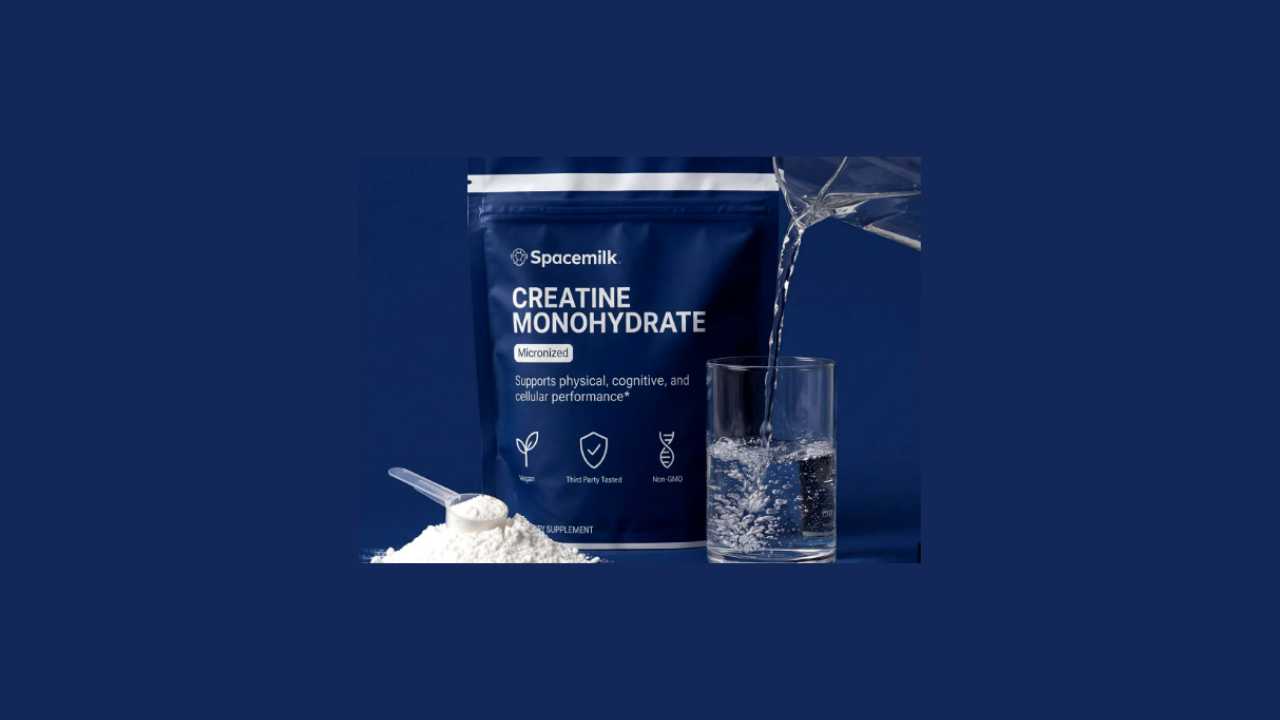
Protein sits at the center of how we feel, recover, and stay strong. Whether you lift weights, chase kids around, or simply want steady energy through long days, your body leans hard on quality protein. The trouble is that most of the common options carry baggage. Whey often leaves people bloated or uncomfortable. Many plant powders taste chalky, mix poorly, or come with allergens and concerns about heavy metals from soil. Animal based proteins raise questions about environmental cost. People keep searching for something cleaner that still delivers results. That search is exactly why Spacemilk has started getting attention.
What Spacemilk Actually Is
Spacemilk is a protein powder made from non GMO baker’s yeast through a controlled fermentation process. It is not dairy. It is not a plant blend. It is a yeast protein isolate, the first of its kind available as a consumer product. Each serving gives you 20 grams of complete protein with a perfect 1.0 PDCAAS score, the same top rating that whey receives. That means it supplies all nine essential amino acids your body needs for muscle repair and everyday function. The calorie count stays low, around 100 per scoop depending on the flavor, so it fits cleanly into most diets.
How the Protein Quality Stacks Up
The amino acid profile stands out because it is naturally rich in branched chain amino acids. Tests show BCAA levels at or above 20 percent, putting it in the same range as quality whey concentrates and ahead of many pea or soy isolates. Clinical work has looked at older adults combining yeast protein with resistance training. Results showed gains in lean mass, strength, and endurance that matched what people typically see with whey. Digestion studies report solid bioavailability and good absorption, so the protein does not just sit in the stomach. It gets used.
A Protein That Sits Easy
One of the biggest complaints about traditional powders is digestive discomfort. Spacemilk was designed with a neutral pH and a clean isolation process that leaves out the components that usually cause gas or heaviness. Many people who switched from whey or pea report far less bloating. The formula is free from dairy, soy, gluten, and the major allergens that force some shoppers to read every label twice. It is fully vegan and made without artificial flavors, artificial sweeteners, or stevia. Sweetness comes from organic monk fruit and thaumatin, both natural and zero calorie.
Purity You Can Actually Verify
Most protein brands talk about clean ingredients. Spacemilk publishes third party lab results for every batch. Testing covers heavy metals such as lead, cadmium, mercury, and arsenic, plus 77 different pesticides. Levels consistently come in extremely low, often below detection limits and well under California Prop 65 thresholds. Because the protein is grown in stainless steel fermenters rather than open fields, it avoids the soil contaminants that can concentrate in plant proteins. That controlled environment also means no farmland is required and water use drops dramatically compared with traditional sources.
A Smaller Footprint on the Planet
Producing one kilogram of Spacemilk protein generates about 95 percent less greenhouse gas emissions than the same amount of beef protein. It needs zero arable land and roughly one two hundredth of the water. The process starts with baker’s yeast fed simple plant sugars like molasses, a byproduct of the sugar industry. Mild heat and natural enzymes open the yeast cells. Centrifugation then separates and purifies the protein before gentle drying. Everything happens indoors year round, free from weather or seasonal limits. For anyone who cares about both personal nutrition and long term resource use, that difference is hard to ignore.
How People Use It Day to Day
The powder mixes smoothly in water, plant milk, or regular milk. It works in smoothies, coffee, overnight oats, or simple shakes. Flavors currently include Vanilla Shake, Chocolate Mousse, and Unflavored. The unflavored version is useful when you want protein without changing the taste of other ingredients. Timing is flexible. Some take it after training. Others use it between meals for steady amino acid release that helps keep hunger in check for several hours. Because it digests more slowly than some fast whey isolates, it pairs well with longer gaps between meals.
Why the Switch Feels Different
People who have tried Spacemilk often mention two things first: the lack of stomach issues and the clean finish. The texture is smooth rather than gritty. The taste stays mild without the artificial aftertaste common in some plant blends. Over time the combination of solid protein quality, easy digestion, and transparent testing builds confidence. It is not marketed as a miracle. It is presented as a practical upgrade that removes several of the usual compromises.
Conclusion
Spacemilk offers a different route to complete protein. It starts with yeast fermentation, delivers nutrition that matches the best traditional sources, stays gentle on digestion, and carries a lighter environmental load. For anyone tired of choosing between performance, comfort, and cleaner production, this product gives a clear alternative. The best way to know if it fits your routine is to try a bag and notice how your body responds over a couple of weeks. Clean protein should not require so many trade offs, and Spacemilk shows it does not have to.